Backup Power
How to Size a Generator for Your Home Before Winter Outages
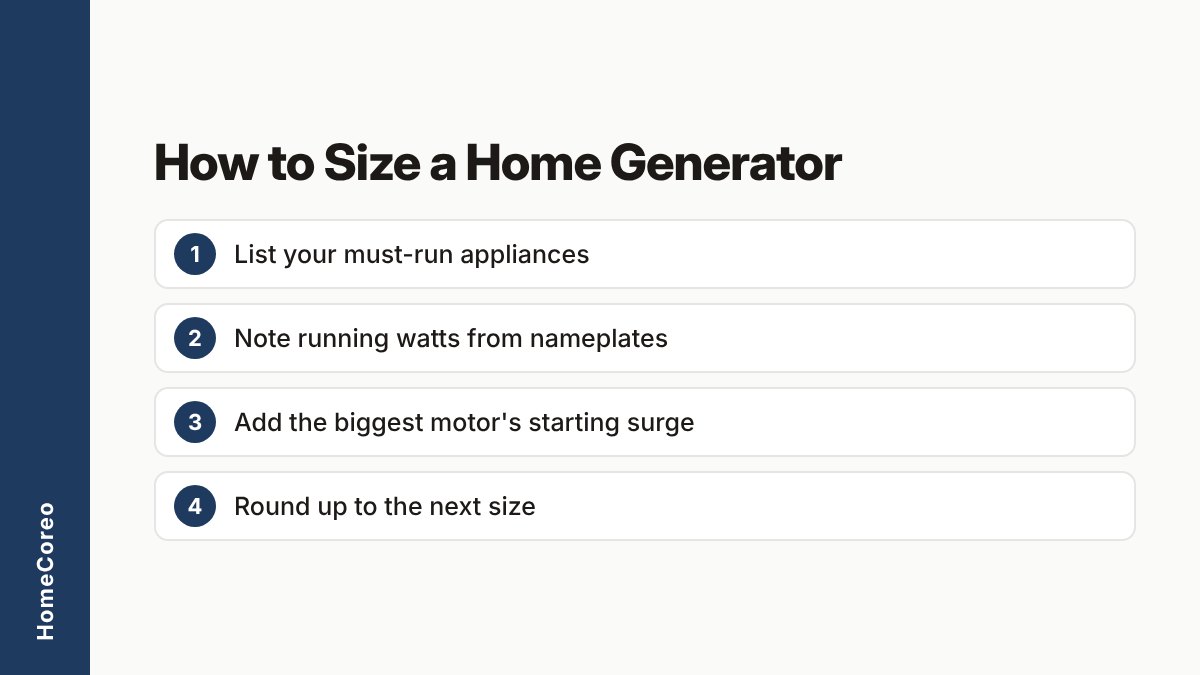
Add up running and starting watts, pick the right generator size, and set it up safely with CO and backfeed precautions before the next outage.
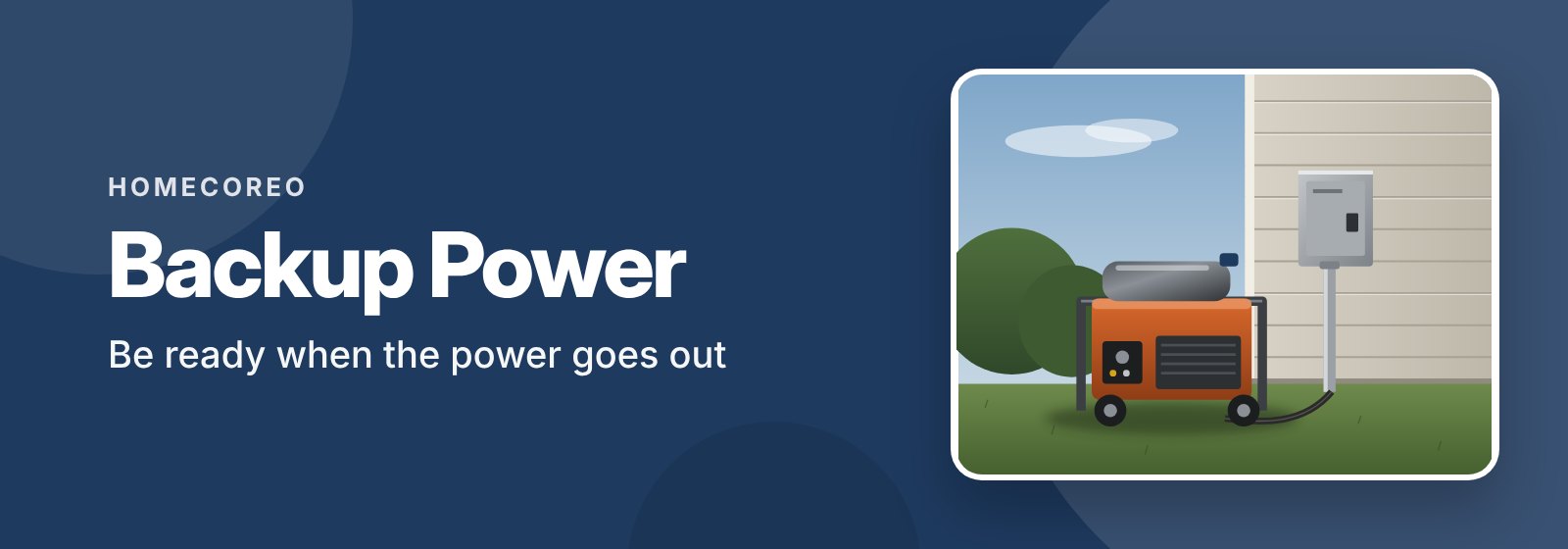
Be ready when the power goes out
Storms, heavy snow and grid failures can leave a home without lights, heat, water pumps and refrigeration for hours or days. Backup power can bridge that gap, but the options are confusing: portable generators, power stations, transfer switches and home batteries all solve different problems, and a poor setup can damage appliances or put people at risk. Carbon monoxide from a generator running too close to a house is a serious danger that every owner needs to understand.
The guides here help you work out which loads matter most, compare backup options and set up equipment more safely. You learn how to store fuel, run a monthly test, practice a startup routine and keep cords and connections in good condition. Anything that connects equipment to your home wiring, including transfer switches and battery systems, should be installed by a licensed electrician and checked against local code and the manufacturer instructions.
Add up running and starting watts, pick the right generator size, and set it up safely with CO and backfeed precautions before the next outage.